"VAN" (Sports Desk - 17.09.2026) :: In Saudi Arabia, sport is no longer simply about competitions, tournaments and sporting events. The bigger story is what the Kingdom is doing with sport - and how major events are being transformed into building blocks for a much broader national project.
Over the past few years, Saudi Arabia has placed sport at the heart of a transformation that goes far beyond the field of play. Sport has become part of the country’s economic, tourism and investment ambitions, while also contributing to quality of life, youth development, women’s participation and Saudi Arabia’s growing presence on the international sporting stage.
The Kingdom is therefore not simply building a calendar of major events. It is building the capacity to host the world, manage major competitions and, more importantly, turn those experiences into a sustainable sports ecosystem.
King Salman: Leadership Support and Sport as Part of National Development
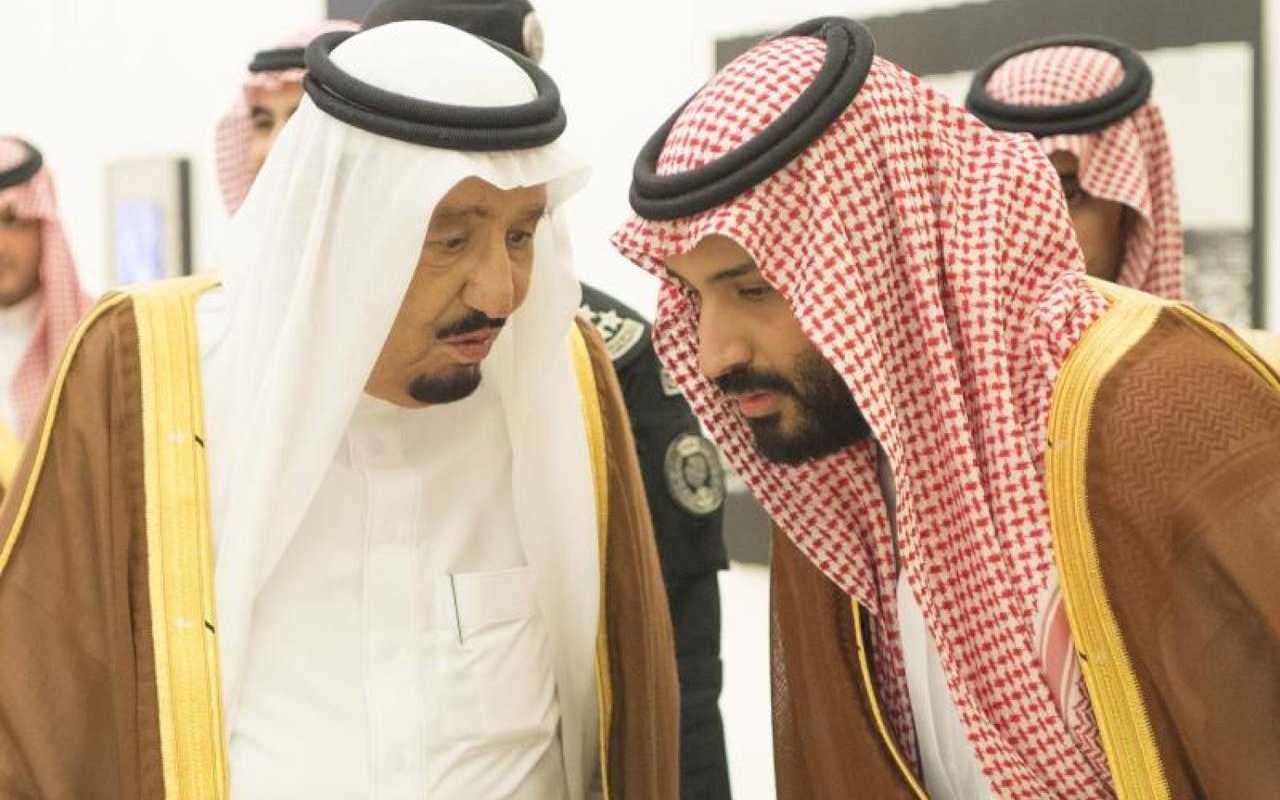
The transformation of Saudi sport cannot be separated from the support provided by the country’s leadership. King Salman bin Abdulaziz Al Saud has consistently placed sport within the broader framework of national development, while the Kingdom’s sporting ambitions have increasingly become part of its wider international and economic outlook.
This support has provided the foundation for a transformation in which sport is no longer viewed simply as entertainment or competition, but as an important sector capable of contributing to development, investment, tourism and social life.
The scale of the events now taking place in Saudi Arabia reflects the significance of that support. International competitions in football, motorsport, boxing, tennis, golf, esports and other disciplines have helped establish the Kingdom as an increasingly important destination on the global sporting map.
But hosting events is only one part of the story. The real objective is to use these events to create experience, infrastructure, expertise and investment that remain in the country long after the final whistle.
Mohammed bin Salman: When Sport Became Part of Vision 2030
The decisive transformation came with Saudi Arabia’s Vision 2030. Under the leadership of Crown Prince Mohammed bin Salman, sport became an integral part of the Kingdom’s broader national transformation.
The objective was no longer simply to develop competitive sport. It was to build a sector capable of contributing to economic diversification, improving quality of life, encouraging physical activity, creating opportunities for young people and women, attracting international investment and strengthening Saudi Arabia’s global image.
This approach changed the way the Kingdom looked at major sporting events. A tournament was no longer simply a tournament. A major international event could become a catalyst for infrastructure, tourism, investment, employment, commercial partnerships and international exposure.
That is why Saudi Arabia’s sporting calendar has expanded so rapidly, with the Kingdom hosting an increasingly diverse range of global events.
The strategy has also been accompanied by the development of domestic sport - from clubs and academies to national teams, women’s sport and programmes designed to identify and develop young talent. The numbers tell part of the story, but the more important change is structural: sport is increasingly being treated as an industry and as a long-term national asset.
Abdulaziz bin Turki Al-Faisal: From Vision to Implementation
If Vision 2030 provided the strategic framework, the task of turning that vision into a functioning sports system requires institutional implementation. This is where Prince Abdulaziz bin Turki Al-Faisal has played a central role as Minister of Sport and President of the Saudi Olympic and Paralympic Committee.
His role extends beyond the organisation of individual events. It involves developing the structures, programmes, partnerships and capabilities required for Saudi sport to operate at an increasingly international level.
The Kingdom’s growing experience in hosting major global events has provided an important practical test of those capabilities. From motorsport and football to combat sports, tennis and other international competitions, Saudi Arabia has gradually built experience in organising events involving athletes, teams, federations, broadcasters, sponsors and international sporting organisations.
The objective is clear: to move from simply hosting major competitions to possessing the expertise and infrastructure necessary to become a permanent player in the global sports industry.
Jeddah: The Next Major Stop on a Crowded Sporting Calendar
The next major test is already approaching. Jeddah will host the 27th Arabian Gulf Cup, Khaleeji 27, from September 23 to October 6, 2026, bringing together eight national teams: Saudi Arabia, the United Arab Emirates, Bahrain, Oman, Qatar, Kuwait, Iraq and Yemen.
Matches will be played at Alinma Stadium at King Abdullah Sports City and Prince Abdullah Al-Faisal Stadium. The tournament is particularly significant because it comes at the beginning of a period in which Saudi Arabia’s sporting calendar becomes even more ambitious.
Khaleeji 27 is therefore more than another regional competition. It represents an immediate opportunity to demonstrate organisational readiness while opening the door to an even larger sequence of continental and global events.
Jeddah will once again find itself at the centre of Saudi Arabia’s international sporting ambitions, with the city playing an increasingly important role in the Kingdom’s ability to welcome major competitions and international audiences.
2027: The AFC Asian Cup as Another Milestone
The next major continental challenge will be the AFC Asian Cup 2027. Hosting Asia’s premier national-team football tournament represents a different level of responsibility. It requires the coordination of venues, transportation, accommodation, security, broadcasting, fan services and a wide range of operational requirements.
For Saudi Arabia, however, the Asian Cup is also part of a longer journey. The Kingdom is not approaching each event as an isolated project. Instead, experience gained from one competition can be carried into the next, allowing organisers, facilities, cities and sporting institutions to continuously develop their capabilities.
That cumulative experience will be particularly important as Saudi Arabia moves towards the biggest sporting event in its history.
2029 and 2030: Sport Within a Broader Global Ambition
The sporting transformation does not end with football. Saudi Arabia’s ambitions extend across different sports and different types of international events. The Asian Winter Games in 2029 and Expo 2030 in Riyadh form part of a broader international calendar that reinforces the Kingdom’s objective of becoming a global destination for major events.
The significance of this approach lies in its diversity. A country seeking to build a sports industry cannot rely on one sport or one competition. It needs a broad ecosystem involving athletes, clubs, federations, academies, event organisers, sponsors, broadcasters, investors and fans. Saudi Arabia is attempting to build precisely that ecosystem.
Investment: From Supporting Sport to Building a Sports Industry
Perhaps the most important change is the growing role of investment. Saudi Arabia’s approach is moving from traditional government support for sport towards a model in which sport can generate commercial value and attract private investment.
The privatisation of clubs, the development of commercial partnerships and the expansion of sports-related businesses are part of this process. This is a fundamental shift.
The long-term objective is not simply to spend money on sport, but to create an industry capable of generating value, attracting investment and supporting itself through a sustainable commercial model.
The development of football clubs illustrates this transformation particularly clearly. Clubs are increasingly being treated as commercial entities with opportunities to develop brands, attract investors, expand their fan bases and build new revenue streams. If this process succeeds, its impact will extend far beyond football.
Women and Youth: Another Face of the Transformation
There is another dimension to the Saudi sporting transformation that deserves equal attention: women and young people. The expansion of women’s participation in sport, the establishment of women’s national teams and the development of programmes for young athletes are all part of a broader attempt to widen participation.
At the same time, academies and talent-development programmes are designed to identify future athletes at an earlier age and provide them with more structured pathways. This is essential because a successful sports system cannot be built solely around imported stars or major international events.
It needs a domestic foundation. It needs children participating in sport, young athletes developing their abilities, coaches gaining experience, clubs producing talent and national teams benefiting from a wider pool of athletes.
The real measure of the transformation will therefore be how many athletes, coaches, administrators and sports professionals Saudi Arabia can develop over the coming decade.
2034: The Moment That Will Test the Entire Project
All these developments ultimately lead towards one defining moment: the 2034 FIFA World Cup. Saudi Arabia’s successful bid to host the tournament represents the culmination of years of investment and transformation.
The 2034 World Cup will be the first 48-team edition of the tournament to be hosted by a single country. The plans include five host cities, 15 proposed stadiums, 134 training sites and a major expansion of the infrastructure required to accommodate teams, fans and visitors from around the world.
The scale of the project is enormous. But the significance of 2034 goes beyond the tournament itself.
Saudi Arabia’s technical bid received a score of 419.8 out of 500, the highest technical rating recorded in FIFA World Cup bidding history.
That assessment reflects not only the ambition of the project, but also the level of preparation and infrastructure that Saudi Arabia has been developing. The World Cup will therefore be the moment when the entire system is tested on the biggest possible stage.
Can the country deliver a tournament of this scale? Can its cities, stadiums, transport networks, accommodation, technology, security and event-management structures operate at the highest international level? And, most importantly, what will remain after the tournament is over?
2034 Is Not the Finish Line
This may ultimately be the most important question. The real success of Saudi Arabia’s sports project will not be measured only by how successfully it hosts the 2034 World Cup. It will be measured by what happens afterwards.
Will the stadiums continue to serve communities? Will academies continue to produce athletes?
Will the investment attracted by sport develop into a sustainable industry?
Will the experience gained from hosting the world’s biggest sporting events become permanent institutional expertise? Will Saudi Arabia continue to produce athletes, coaches, administrators and sports executives capable of competing and operating at the highest international level?
If the answer is yes, then 2034 will not represent the end of the project. It will be another milestone in a much longer journey. This is the distinction between hosting sport and building sport.
A country can host a major tournament for a few weeks. Building a sports system capable of creating lasting economic, social and sporting value is a much more ambitious task.
Saudi Arabia: From Hosting the World to Shaping the Future
Saudi Arabia’s sporting transformation is therefore best understood not as a collection of individual events, but as a long-term national project.
The Arabian Gulf Cup in Jeddah is the immediate chapter. The AFC Asian Cup in 2027 will provide another major test. The events of 2029 and 2030 will broaden the international calendar. And the 2034 FIFA World Cup will provide the ultimate examination of the country’s ability to deliver on its ambitions.
But the deeper story lies underneath the calendar. Saudi Arabia is building infrastructure, developing talent, opening new opportunities for women and young people, attracting investment, strengthening institutions and gaining experience in the organisation of major international events.
The Kingdom is not simply preparing to host the world. It is building a sports ecosystem designed to become an active force in shaping the future of global sport.
That is why the real question is no longer whether Saudi Arabia can host major sporting events. The more important question is what Saudi Arabia will build from them — and what will remain when the world has gone home.
Cr-AIPS
Responses
Leave your comment